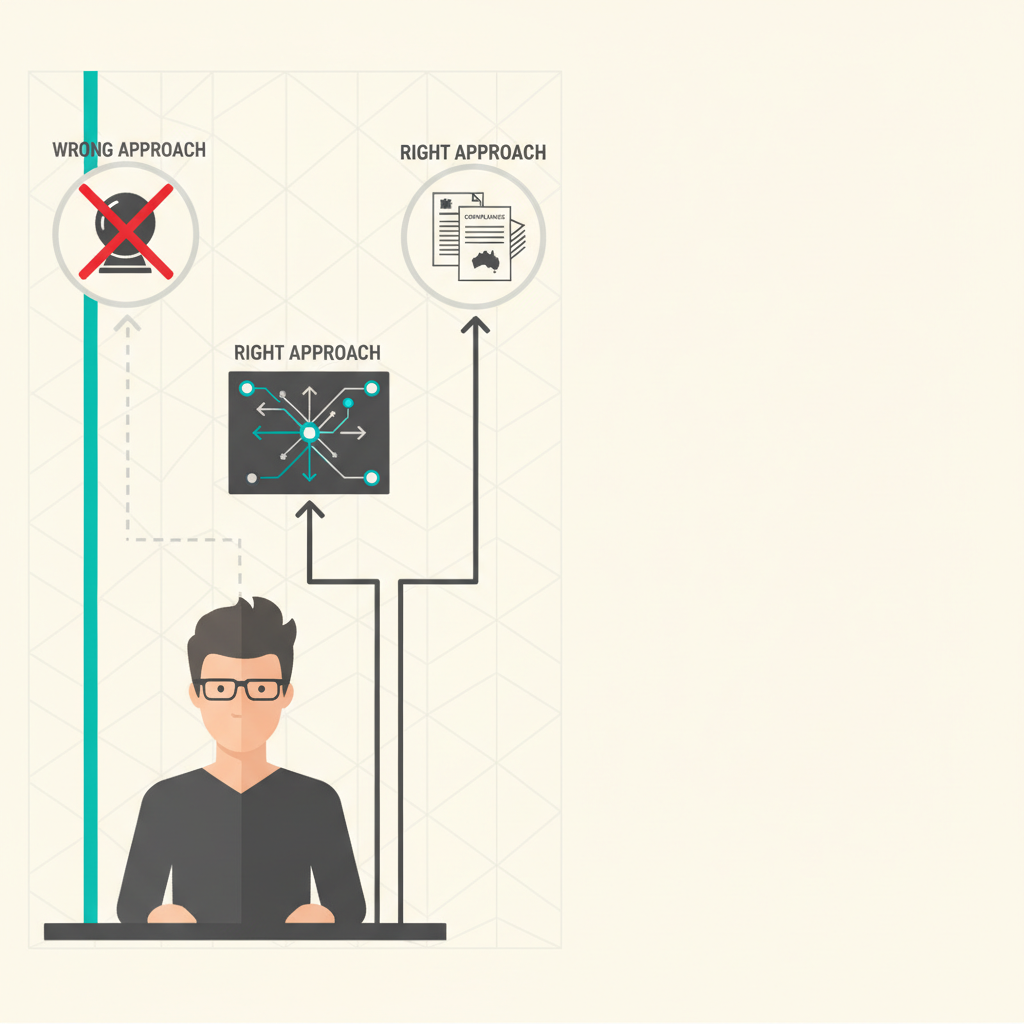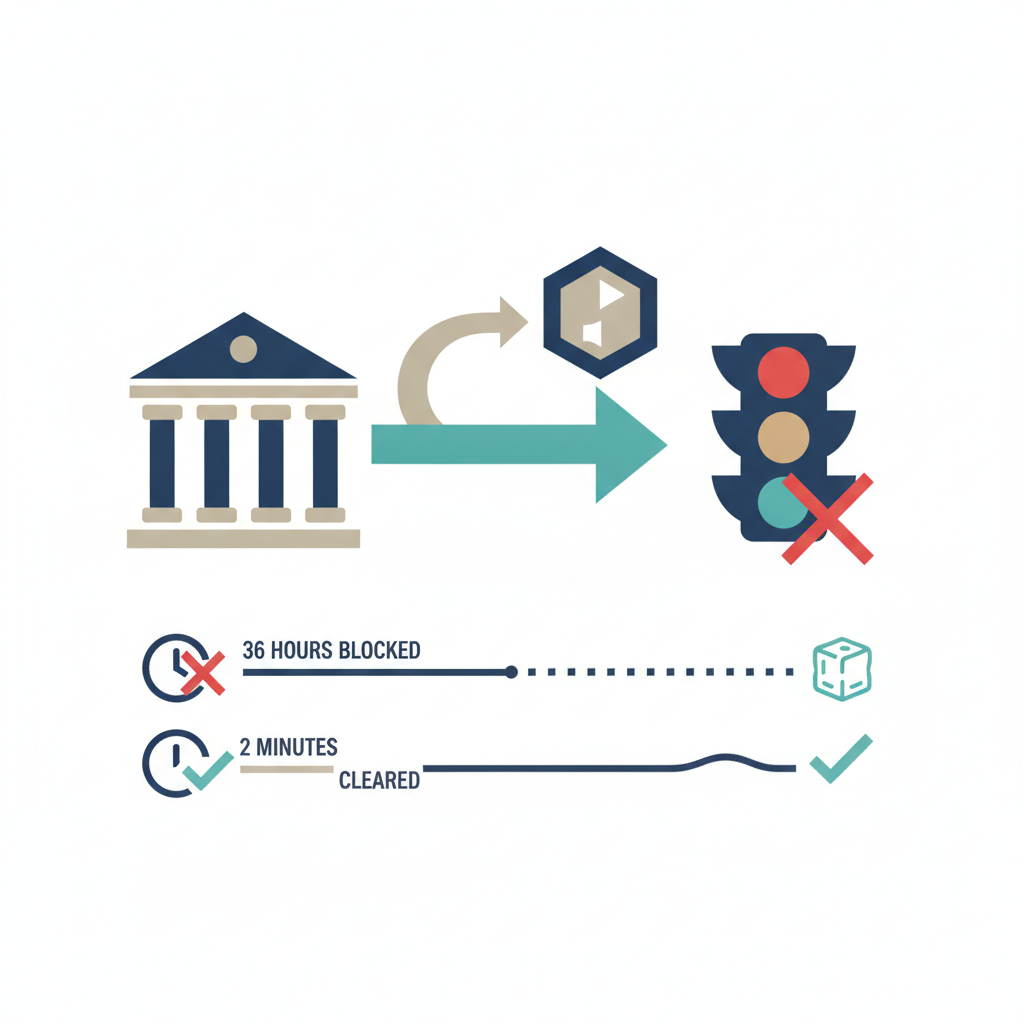
Not all Australian banks treat crypto the same. ANZ, NAB, Westpac, ING, and UBank are generally the most accommodating for transfers to AUSTRAC-registered exchanges, while CBA, Bankwest, Macquarie, BOQ, and HSBC apply stricter limits, holds, or outright blocks. PayID is your fastest and most reliable deposit method. Always check your bank’s current policy before funding a new exchange account.
CryptoAlgo Editorial
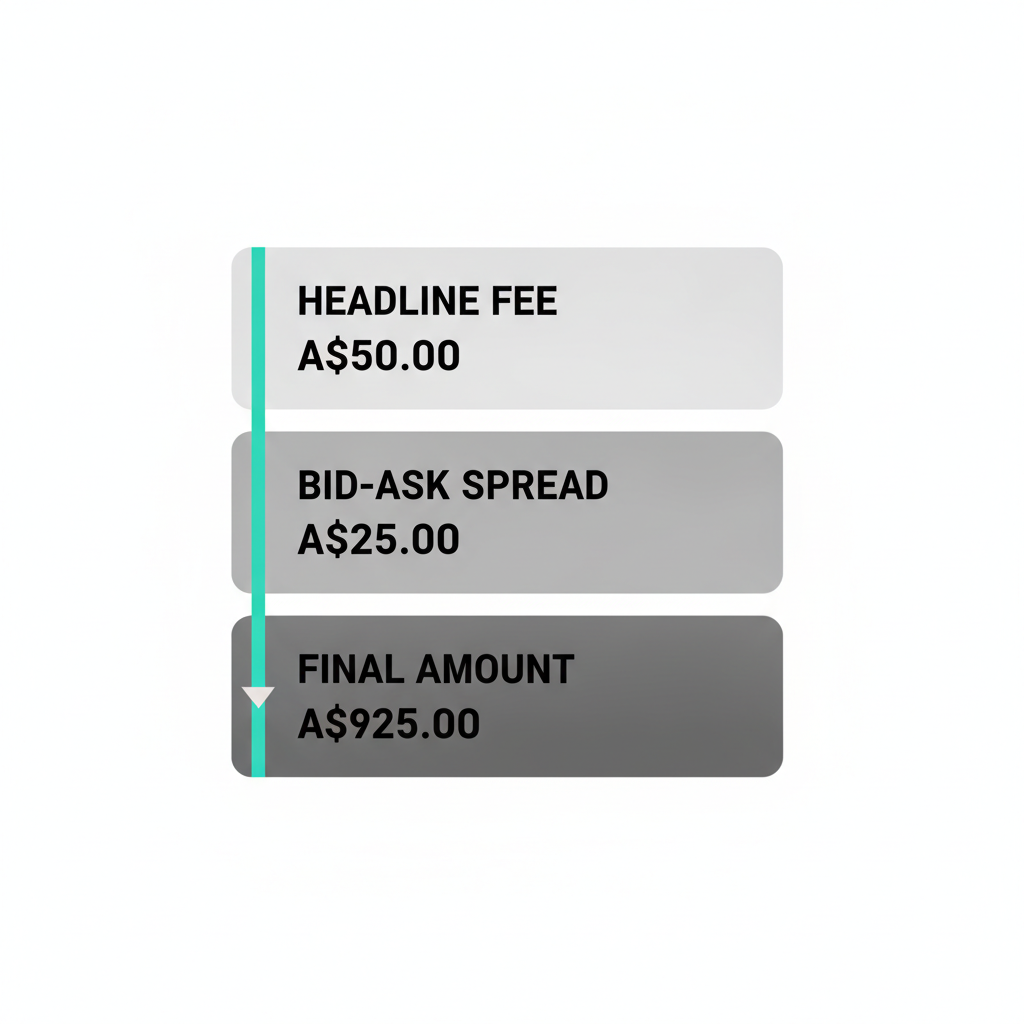
The total cost of selling Bitcoin to AUD depends on three layers: trading fee, spread, and withdrawal fee. CoinSpot charges 1% plus a 1–2% spread on instant sells but just 0.1% via market orders. Independent Reserve and Binance offer the lowest maker/taker fees for active traders. Direct bank transfer and PayID withdrawals are free on most AUSTRAC-registered exchanges. Always calculate the all-in cost, not just the headline fee.
CryptoAlgo.com.au is a free, Australian-owned resource publishing independent reviews, exchange comparisons, and step-by-step algo trading guides tailored specifically to Australian retail crypto traders. It covers AUSTRAC-registered exchanges, crypto tax obligations, grid bots, DCA automation, and Pine Script — and it does not charge for any of its content.
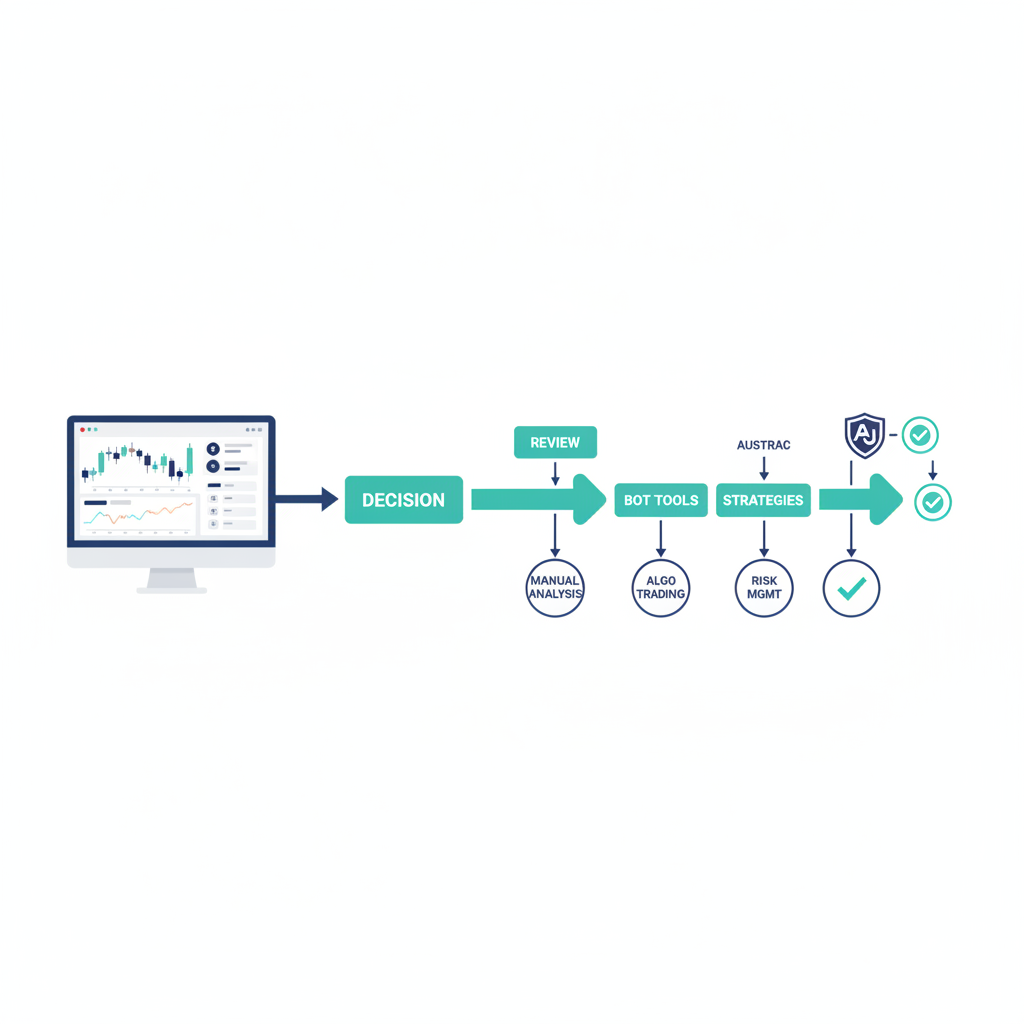
Algorithmic crypto trading is legal in Australia for self-directed traders. You don’t need to be a developer to start — basic Python or Pine Script helps, but bot platforms let beginners automate strategies with $200–$500. You’ll need to understand AUSTRAC, ASIC, and ATO obligations before going live. This guide walks you through everything from strategy selection and backtesting to tax and compliance.
The ATO taxes most crypto disposals as CGT events, treats staking and mining income as ordinary income, and counts every crypto-to-crypto swap as a taxable event. Australian traders who automate strategies through bots face the same obligations — just at higher frequency. Keeping accurate records from day one is the single biggest lever you have to reduce your tax bill and avoid penalties.
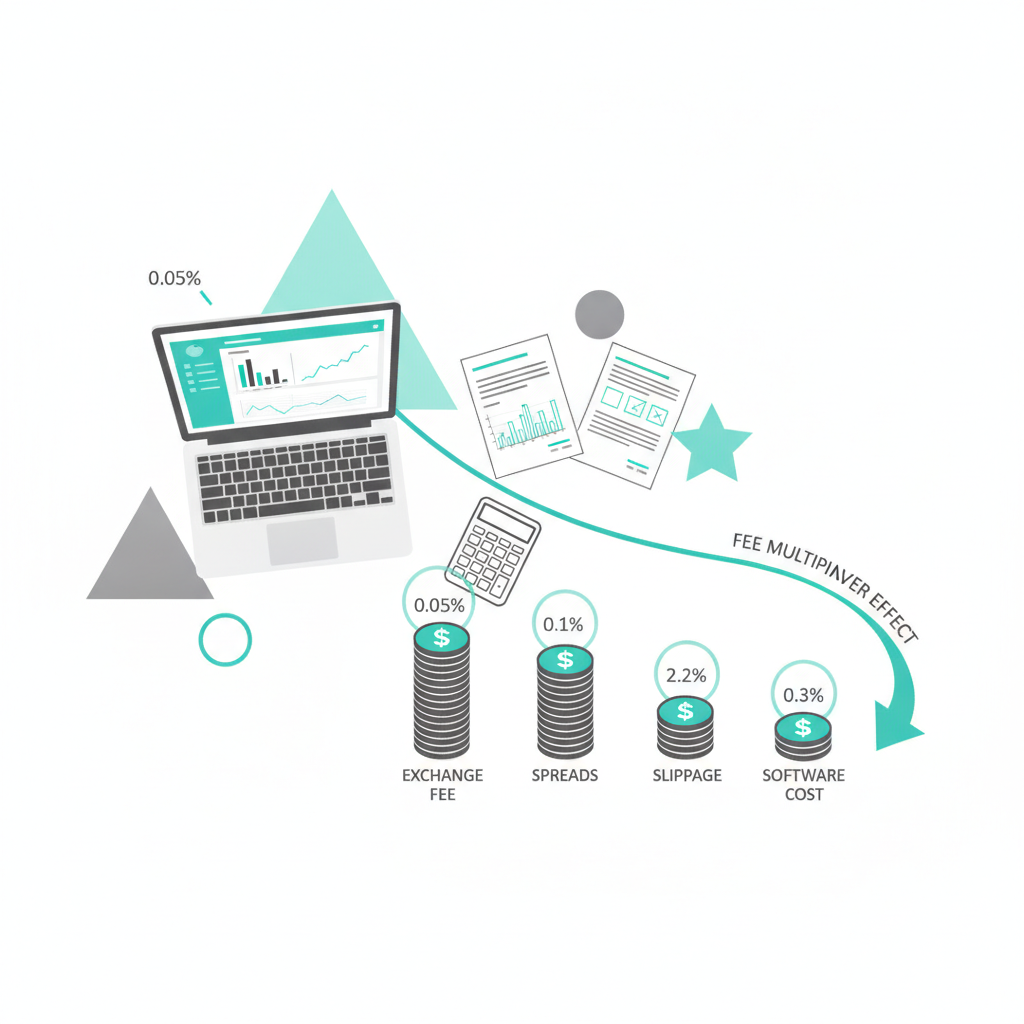
Running an automated crypto trading strategy in Australia involves more than just exchange fees. Between maker/taker spreads, bot subscription costs, tax software, and potential slippage, the true cost of algo trading can quietly erode your returns. This guide breaks down every layer of expense Australian self-directed traders need to account for before deploying a bot.
Algorithmic crypto trading is legal for Australian retail traders managing their own accounts, but navigating ASIC, AUSTRAC, and ATO obligations is essential. This guide covers how algo trading works, which platforms suit Australians, what it costs, how profits are taxed, and whether it is worth the effort for self-directed retail traders.
CryptoAlgo.com.au is a free Australian resource site that reviews AUSTRAC-registered crypto exchanges, algorithmic trading bots, charting tools, and algo strategies tailored to Australian retail traders. It does not offer financial advice or execute trades on your behalf. This article covers what the platform offers, how it compares to other resources, and whether it is worth using as a self-directed Australian crypto trader.
Algorithmic crypto trading is legal in Australia for self-directed traders, but comes with AUSTRAC compliance requirements, ATO tax obligations on every trade, and important distinctions between trading for yourself versus offering a service to others. High-frequency bot traders may be taxed as ordinary income rather than under CGT rules, and the new AUSTRAC Travel Rule (July 2026) adds friction for self-custody withdrawals. This guide covers the legal framework, tax treatment, best platforms, and practical steps to get started.
Yes, crypto is taxable in Australia. The ATO treats cryptocurrency as property, meaning disposals trigger Capital Gains Tax (CGT) and receipts like staking rewards trigger income tax. Algo traders face the same obligations but must track hundreds of automated trades. A 50% CGT discount applies for assets held over 12 months, though changes are flagged for July 2027. This guide covers every taxable event, the CGT vs income tax split, algo trading nuances, and how to stay compliant with the ATO.