Algorithmic crypto trading is legal for Australian retail traders managing their own accounts, but running a service for others requires an AFSL. You need at least $5,000 in capital to make fees and tax friction manageable, basic Python or Pine Script knowledge for serious strategies, and solid ATO record-keeping. This guide explains the legal landscape, tax obligations, platform options, and realistic expectations for Australian algo traders.
CryptoAlgo Editorial
Algorithmic crypto trading is legal for Australian retail traders managing their own accounts. You need no AFSL to automate your own trades, but AUSTRAC registration, ATO tax obligations, and the new Digital Assets Framework all shape how you operate. This guide covers the legal landscape, best platforms, key strategies, and tax basics — so you can automate confidently without stepping into regulatory grey zones.
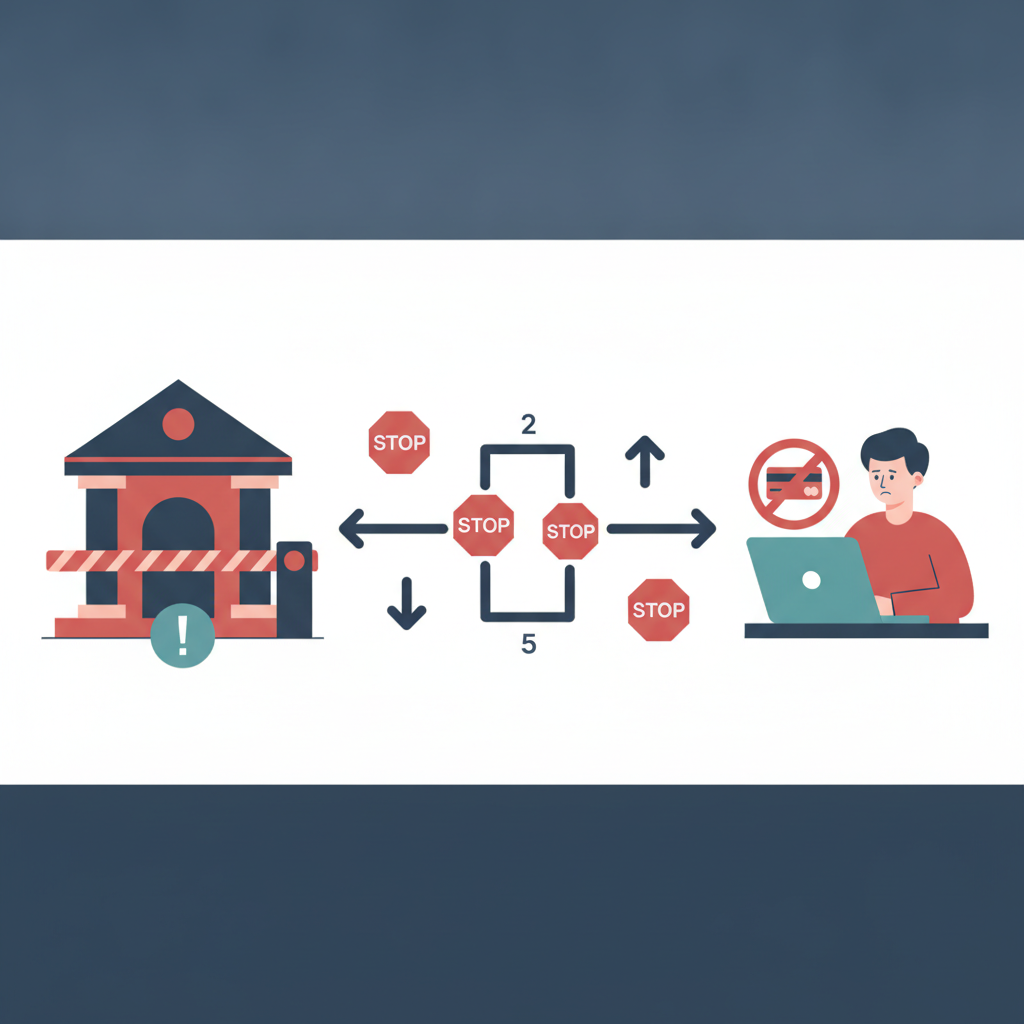
Major Australian banks including the big four are restricting, capping, or outright blocking transfers to crypto exchanges. This is driven by scam-prevention policies, AUSTRAC pressure, and reputational risk — not an outright ban on crypto. Traders can work around restrictions by choosing crypto-friendly banks, using PayID, staggering transfers, or switching to exchanges with broader payment options.
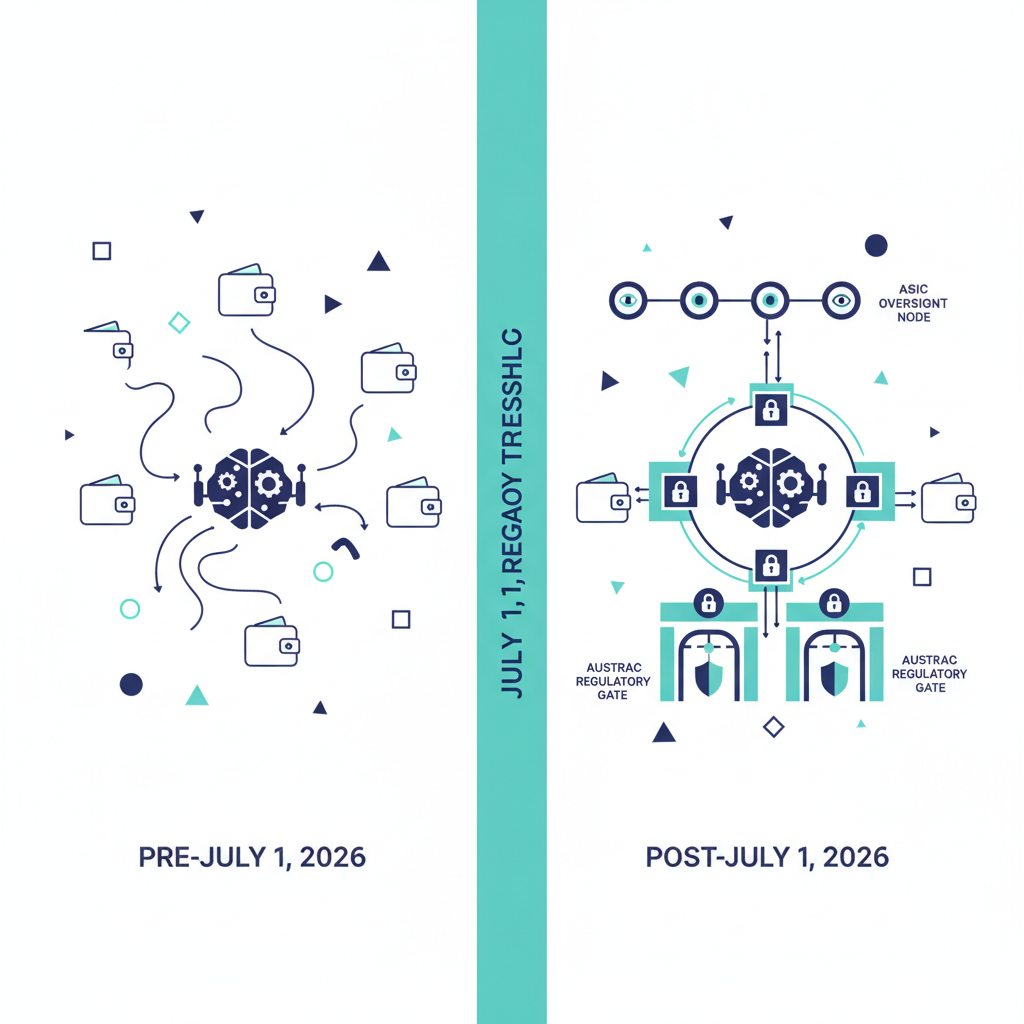
Australia’s crypto regulatory framework underwent its most significant overhaul in years during 2026. The AUSTRAC Travel Rule launched on July 1, ASIC’s no-action position expired on June 30, and the Digital Assets Framework Act received Royal Assent in April. For Australian algo traders, these changes affect which exchanges to use, how bots are taxed, and what happens when you withdraw crypto to a self-hosted wallet. This guide unpacks every major change and what it means for your automated trading strategy.
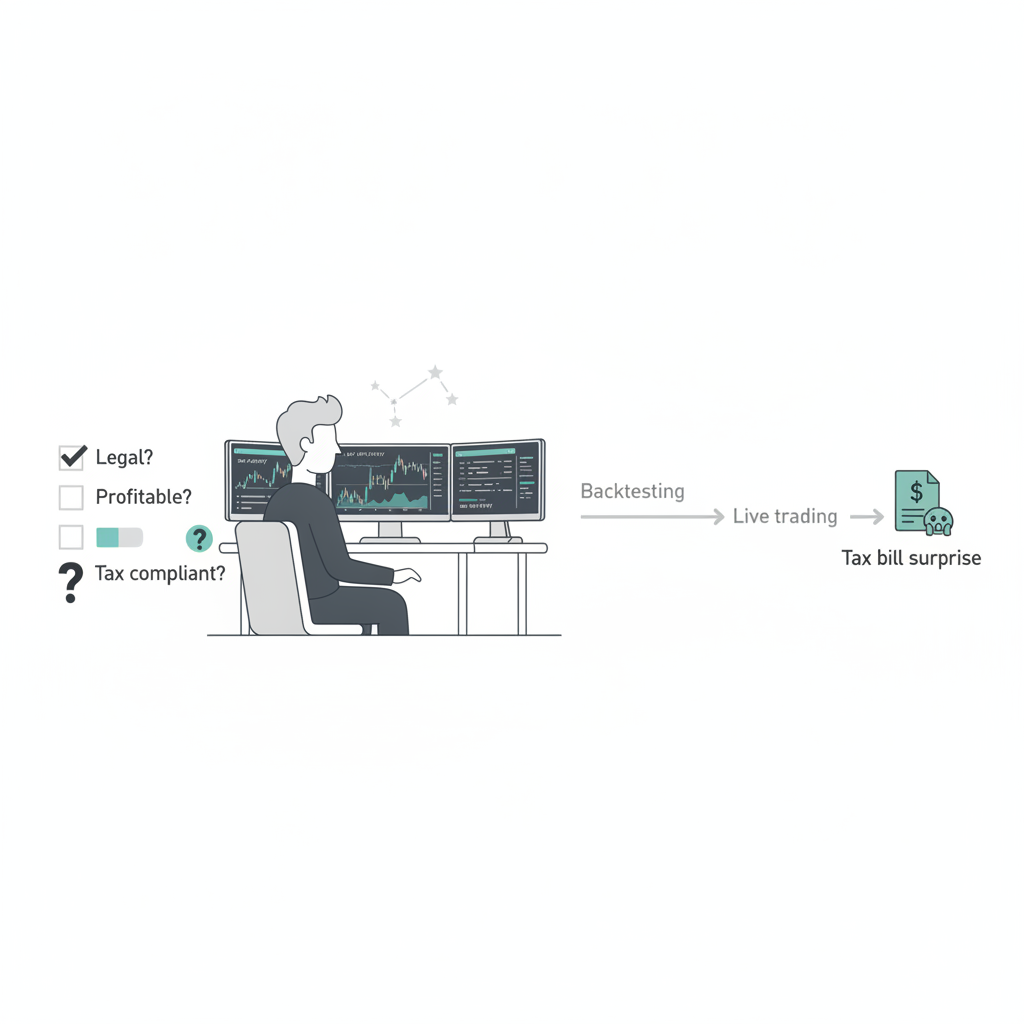
Running a crypto trading bot in Australia? Every trade is a taxable event. Here’s the ATO reality on CGT, record-keeping and trader status before you start.